Charlie and the Chocolate Factory is a 1964 children's novel by the British writer Roald Dahl. It features the adventures of young Charlie Bucket inside the chocolate factory of an eccentric chocolatier named Willy Wonka. The story was originally inspired by Dahl's experience of chocolate companies during his schooldays at Repton School in Derbyshire. Cadbury would often send test packages to the schoolchildren in exchange for their opinions on the new products. At that time (around the 1920s), Cadbury and Rowntree's were England's two largest chocolate makers and they each …
Charlie and the chocolate factory
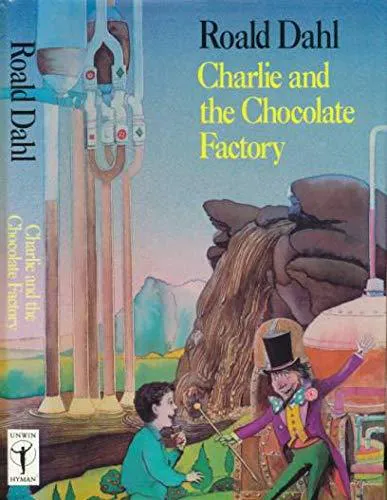
Charlie and the Chocolate Factory is a 1964 children's novel by the British writer Roald Dahl. It features the adventures of young Charlie Bucket inside the chocolate factory of an eccentric chocolatier named Willy Wonka. The story was originally inspired by Dahl's experience of chocolate companies during his schooldays at Repton School in Derbyshire. Cadbury would often send test packages to the schoolchildren in exchange for their opinions on the new products. At that time (around the 1920s), Cadbury and Rowntree's were England's two largest chocolate makers and they each often tried to steal trade secrets by sending spies, posing as employees, into the other's factory—inspiring Dahl's idea for the recipe-thieving spies (such as Wonka's rival Slugworth) depicted in the book. Because of this, both companies became highly protective of their chocolate-making processes. It was a combination of this secrecy and the elaborate, often gigantic, machines in the factory that inspired Dahl to write the story. Charlie and the Chocolate Factory is frequently ranked among the most popular works in children's literature. In 2012 Charlie Bucket brandishing a Golden Ticket appeared on a Royal Mail first-class stamp in the UK. The novel was first published in the US by Alfred A. Knopf, Inc. in 1964 and in the UK by George Allen & Unwin 11 months later. The book's sequel, Charlie and the Great Glass Elevator, was published in 1972. Dahl planned a third instalment in the series, but never finished it. The book has been adapted into two major motion pictures: Willy Wonka & the Chocolate Factory (1971) and Charlie and the Chocolate Factory (2005). A standalone film exploring Willy Wonka's origins, simply titled Wonka, was released in 2023. The book has spawned a media franchise with multiple video games, theatrical productions and merchandise.
184 Seiten
Sprache: English
Erschienen am 1. November 1986
Mehr anzeigen
- ISBN:
-
978-1-85089-902-0
ISBN kopiert!
- Goodreads:
- 1051530
Lade Daten
Lade Daten
Rezensionen