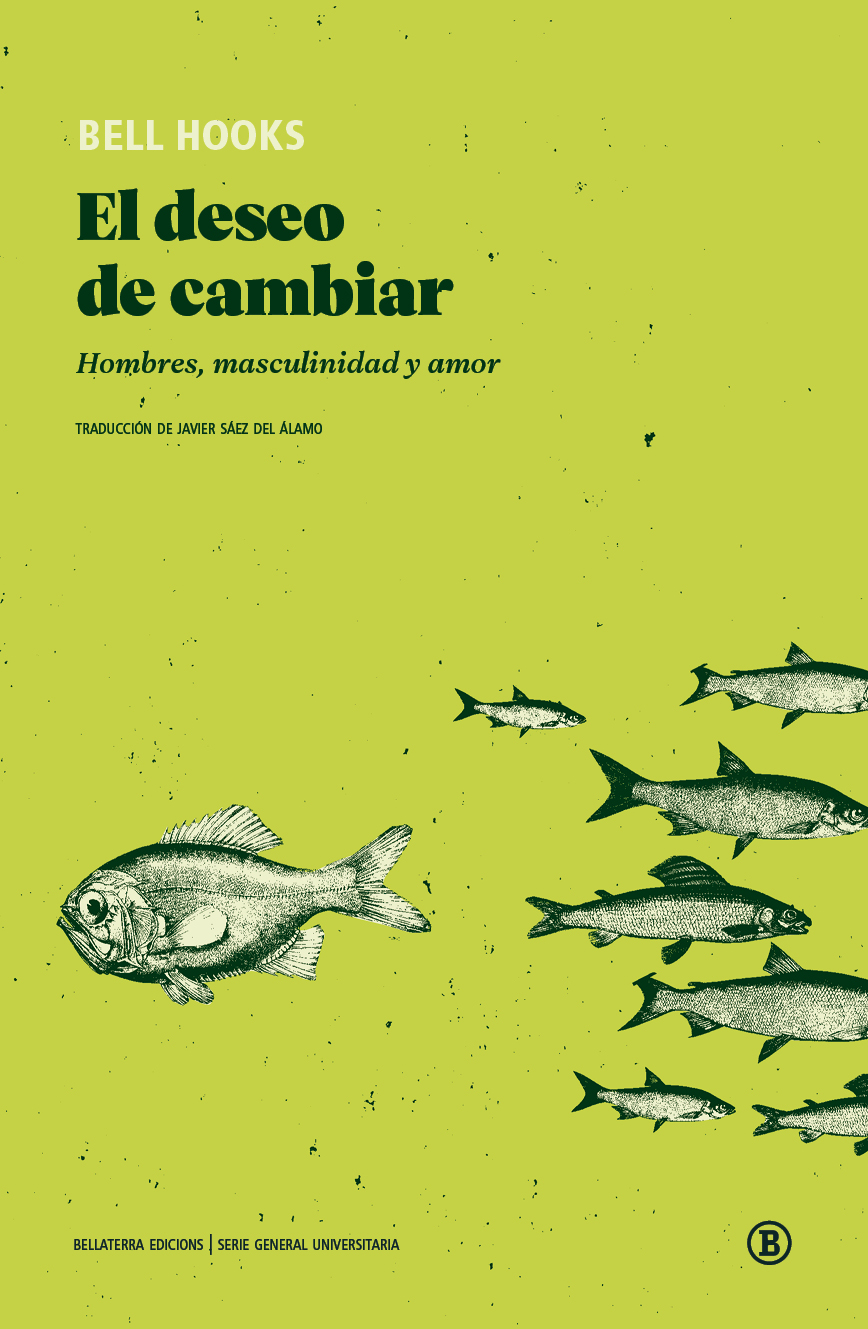
No es cierto que los hombres no estén dispuestos a cambiar. Es cierto que muchos hombres tienen miedo de cambiar. Es cierto que muchísimos hombres ni siquiera han comenzado a observar cómo el patriarcado les impide conocerse así mismos, estar en contacto con sus sentimientos, amar. Para conocer el amor, los hombres deben ser capaces de abandonar el deseo de dominar. Deben poder elegir la vida sobre la muerte. Deben estar dispuestos a cambiar.
Todo el mundo necesita amar y ser amado, incluso los hombres. Pero para conocer el …
No es cierto que los hombres no estén dispuestos a cambiar. Es cierto que muchos hombres tienen miedo de cambiar. Es cierto que muchísimos hombres ni siquiera han comenzado a observar cómo el patriarcado les impide conocerse así mismos, estar en contacto con sus sentimientos, amar. Para conocer el amor, los hombres deben ser capaces de abandonar el deseo de dominar. Deben poder elegir la vida sobre la muerte. Deben estar dispuestos a cambiar.
Todo el mundo necesita amar y ser amado, incluso los hombres. Pero para conocer el amor, los hombres deben poder ver las formas en que la cultura patriarcal les impide conocerse así mismos, estar en contactos con sus sentimientos, amar.
En «El deseo de cambiar», bell hooks llega al meollo del asunto y muestra a los hombres como expresar las emociones, una parte fundamental de quién son, independientemente de su edad, estado civil, etnia o orientación sexual.
La masculinidad castiga estas emociones fundamentales, y está tan profundamente arraigada en nuestra sociedad que es difícil para los hombres romper con ella. Hooks quiere ayudar a cambiar esto.
Con franqueza y una inteligencia feroz, hooks aborda las preocupaciones más comunes de los hombres: el miedo a la intimidad y la pérdida de su lugar en la sociedad. Cree firmemente que los hombres pueden encontrar el camino a la unidad entre cuerpo y espíritu volviendo a estar en contacto con la parte abierta mente emocional de sí mismos y reivindicando las gratificantes vidas interiores que históricamente han sido dominio exclusivo de las mujeres.
«El deseo de cambiar» es una obra valiente y sorprendente, pensada para ayudar a los hombres a recuperar lo mejor de sí mismos.
Patriarchy and domination harm men, too, feminism and gender equality movements should also aim to support men flourishing outside of patriarchal models. The writers she is responding to are an odd often shallow mix and the later essays meander more from the opening vitality.
This is my introduction to Bell Hooks and I’m sad I’ve not engaged with her work earlier. She has a very clear pithy way of communicating ideas and I thoroughly resonate with her position of change arising from love and understanding (with love including the importance of holding people accountable). Perhaps I’m to rigid and new to the writing of theorists but as a scientist I do find it disconcerting when there isn’t a reference list. There were some key statements throughout that make claim to something that is feasibly researched but that she doesn’t cite anything. I have read a good deal of psychology literature so knew many of her claims to be true, but others I was interested by and they did not accompany a reference and it is hard to know what she is basing these claims on? Her previous body of writing? Experiences talking to many …
This is my introduction to Bell Hooks and I’m sad I’ve not engaged with her work earlier. She has a very clear pithy way of communicating ideas and I thoroughly resonate with her position of change arising from love and understanding (with love including the importance of holding people accountable). Perhaps I’m to rigid and new to the writing of theorists but as a scientist I do find it disconcerting when there isn’t a reference list. There were some key statements throughout that make claim to something that is feasibly researched but that she doesn’t cite anything. I have read a good deal of psychology literature so knew many of her claims to be true, but others I was interested by and they did not accompany a reference and it is hard to know what she is basing these claims on? Her previous body of writing? Experiences talking to many women? Or has she just read research so widely she knows this as a basic truth? Either way, it left me wishing for a bit more rigour to underpin her worthwhile thoughts and theory. I wonder perhaps if with this being a later work of hers, she no longer feels the need to establish key ideas she has already thoroughly broached in other books and so I’m a little “out of order” if one considers that valid manner to consume a thinkers literary body.