
sunegroni@bookwyrm.social hat Coffee, Rabbit, Snowdrop, Lost von Betina Birkjær besprochen
The words we leave behind: A review of Coffee, Rabbit, Snowdrop, Lost
5 Sterne
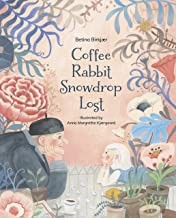
Coffee, Rabbit, Snowdrop, Lost, written by Danish author Betina Birkjær, illustrated by Anna Margrethe Kjærgaard, and translated from the Danish by Sinéad Quirke Køngerskov, is a poignant and aesthetical masterful exploration of dementia.
While exploring the resources provided on Wakelet, I discovered this title, which was named a Midred L Batchelder Honor Book in 2022 and a USBBY Outstanding International Book of 2022. Widely praised with professional reviews in journals including Kirkus Review, which named it a Best Book of the 21st Century and a Finalist for the 2022 Kirkus Prize, this work represents the pinnacle of translated children’s literature, utilizing the universal metaphor of a “ box of words” to make the abstract nature of cognitive decline accessible to young readers. The book maintains its cultural authenticity through Kjærgaard’s aesthetically masterful illustrations, which were recognized by the Danish Ministry of Culture’s illustrator award, by using expansive white space and …
Coffee, Rabbit, Snowdrop, Lost, written by Danish author Betina Birkjær, illustrated by Anna Margrethe Kjærgaard, and translated from the Danish by Sinéad Quirke Køngerskov, is a poignant and aesthetical masterful exploration of dementia.
While exploring the resources provided on Wakelet, I discovered this title, which was named a Midred L Batchelder Honor Book in 2022 and a USBBY Outstanding International Book of 2022. Widely praised with professional reviews in journals including Kirkus Review, which named it a Best Book of the 21st Century and a Finalist for the 2022 Kirkus Prize, this work represents the pinnacle of translated children’s literature, utilizing the universal metaphor of a “ box of words” to make the abstract nature of cognitive decline accessible to young readers. The book maintains its cultural authenticity through Kjærgaard’s aesthetically masterful illustrations, which were recognized by the Danish Ministry of Culture’s illustrator award, by using expansive white space and a muted palette to visually represent the fading of a lifetime of memories, providing the necessary cultural details and visual support for a new international audience.
The narrative’s emotional weight is anchored in the deeply personal, yet relatable, shifting relationship between the protagonist and his grandfather, most notably when the grandfather ceases to use the boy’s special nickname. When the grandfather looks at him and simply says, “Well, well. What lovely little one,” the boy realizes that “from that day on, his nickname is no longer Stump,” a subtle but profound transition that highlights the loss of shared identity and a version of himself that only his grandfather knew.
I consider this book a necessary read. The text and illustrations work in perfect concert to create a deeply empathetic experience, making the abstract concept of cognitive decline accessible without being overly sentimental or frightening. The emotional weight is subtle but powerful, resonating with both children and adults who may be navigating similar family changes.
I would recommend this book for K- 3 (Ages 5-8) during SEL lessons. This book serves as a vital resource for initiating conversations about illness, memory, loss, and changing family dynamics.